Features Products

Imagine Boldly. Be Innovative.
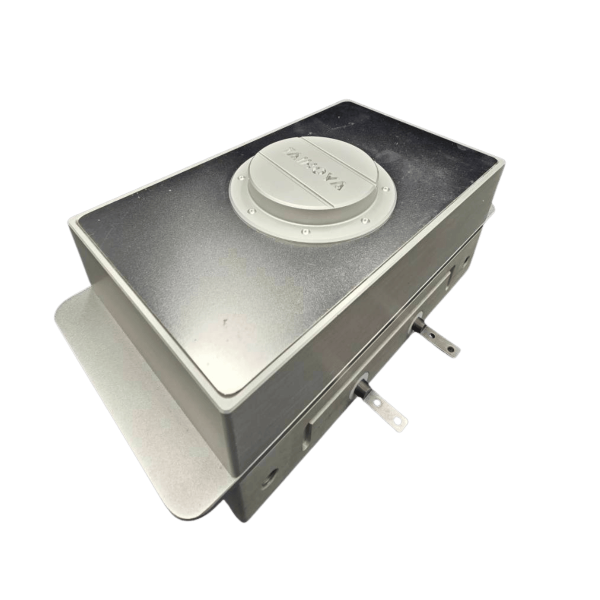
 

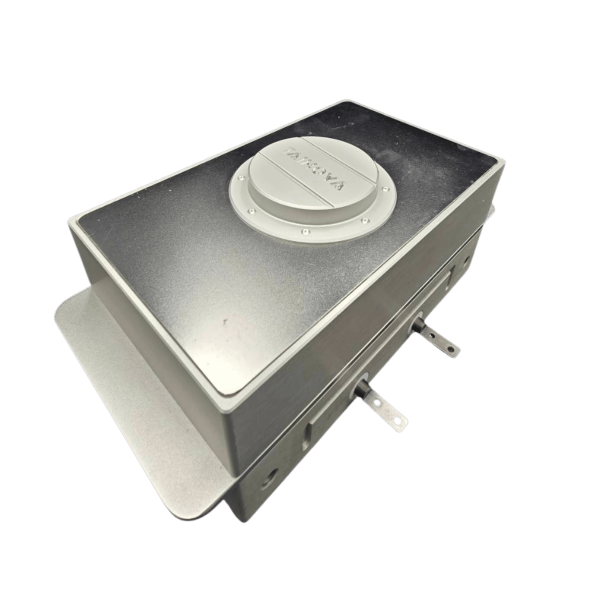
ATMS 1S

ATMS 1S Core Device

Size: 120 x 200 x 88.2mm
Sample number:1~6
Displacement reproduction accuracy ± 0.1mm.
Stretch selection: 5%, 10%, 15%, 20%
Compression  selection: 5%, 10%, 15%, 20% 
Frequency selection:  0.75Hz to 2Hz
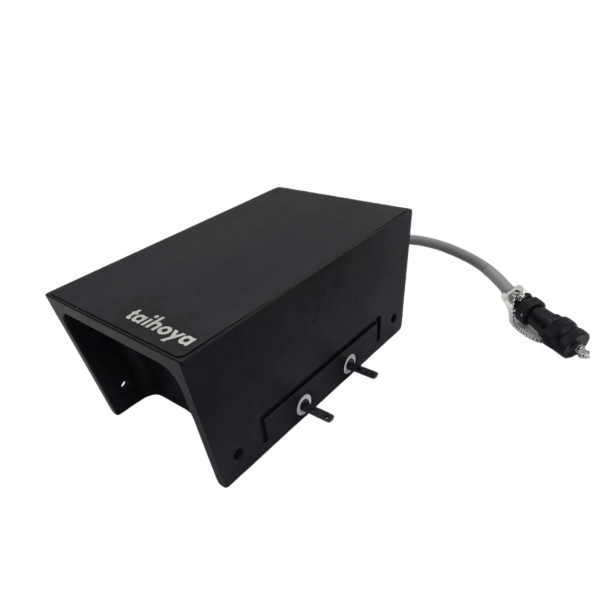
ATMS 1D

ATMS 1D Core Device

Size: 120 x 200 x 88.2mm
Sample number:6
Displacement reproduction accuracy ± 0.1mm.
Stretch selection: 5%, 10%, 15%, 20%
Compression  selection: 5%, 10%, 15%, 20% 
Frequency selection:  0.2Hz to 0.5Hz
ATMS 7

ATMS 7 Core Device

Size:120*200*88mm3
Displacement reproduction accuracy ± 0.1mm
Input:DC24V,3.2A
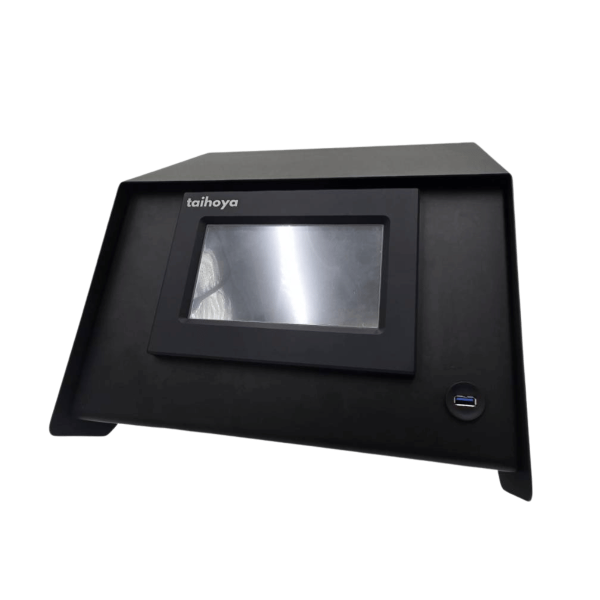
6606C

Touch Screen Controller 6606C

Size:250*320*155mm
Input:AC100-240V ±10% ,50/60HZ ,1.6A。
Compression selection: A mode (Single strain pattern )
Compression range:0.1-5mm
Set segment action time:0.1~10800sec
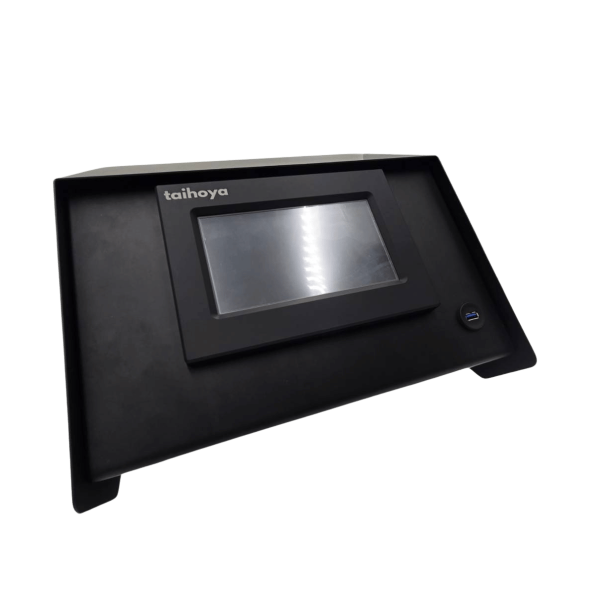
6606S

Touch Screen Controller 6606S

Size:250*320*155mm
Input::AC100-240V ±10% ,50/60HZ ,1.6A。
Stretch selection: A mode (Single strain pattern)
Stretch range:0.1-5mm
Set segment action time:0.1~10800sec

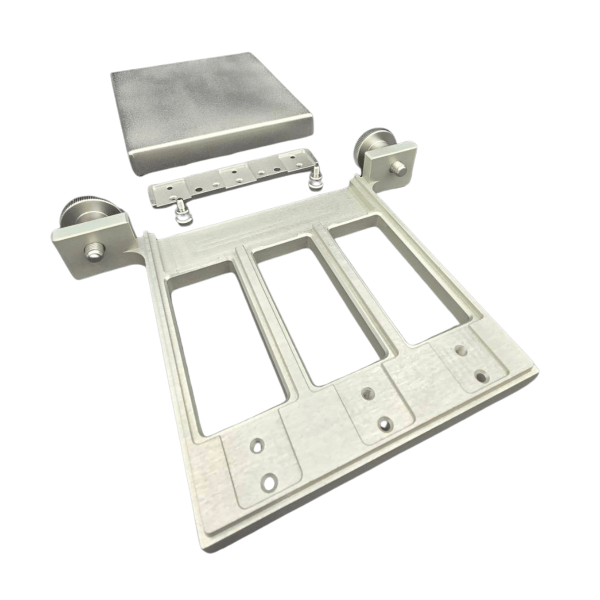
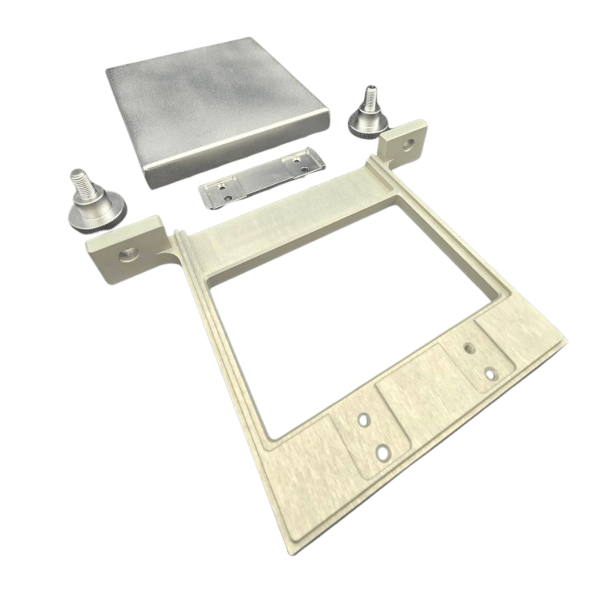
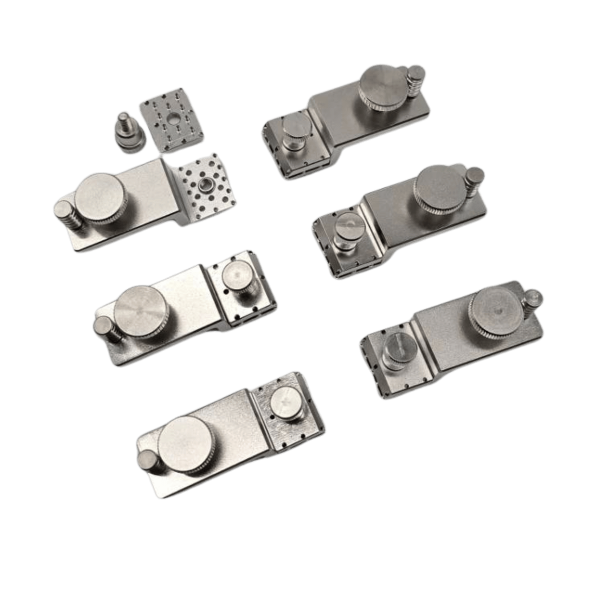
PS3K5

Small PDMS membrane stretch clips

Stretch membrane sample number:3

PS2K5

Large PDMS membrane stretch clips

Stretch membrane sample number:2

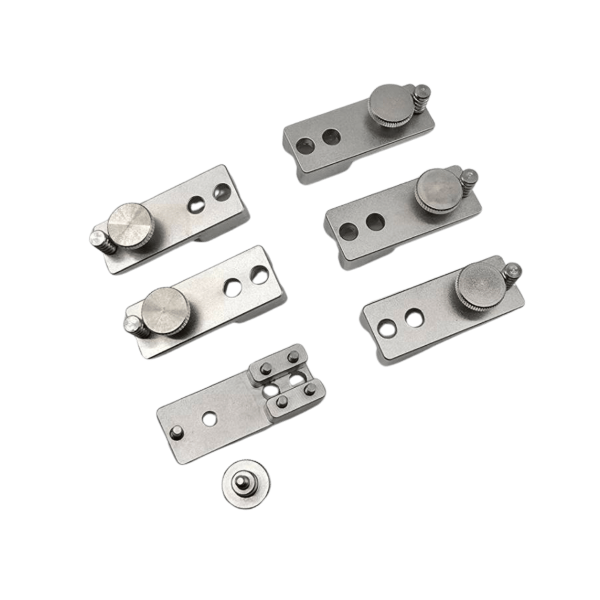
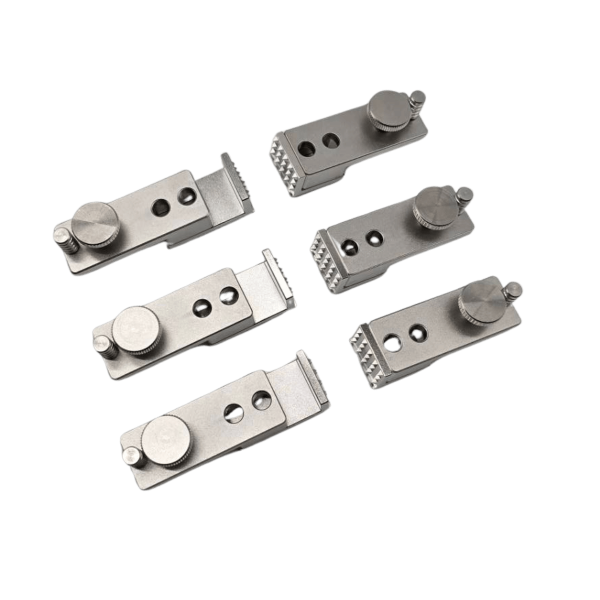
SS3K

3D scaffold stretch clips

Stretch scaffold number:3

SC3K

3D scaffold compression clips

Compression scaffold number:3

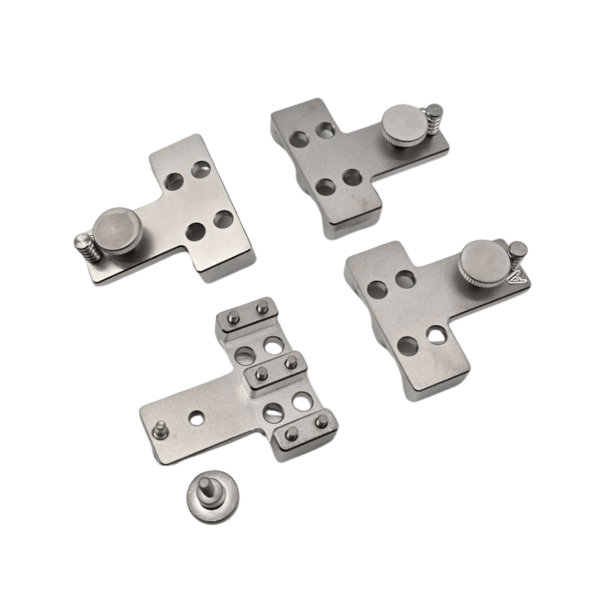
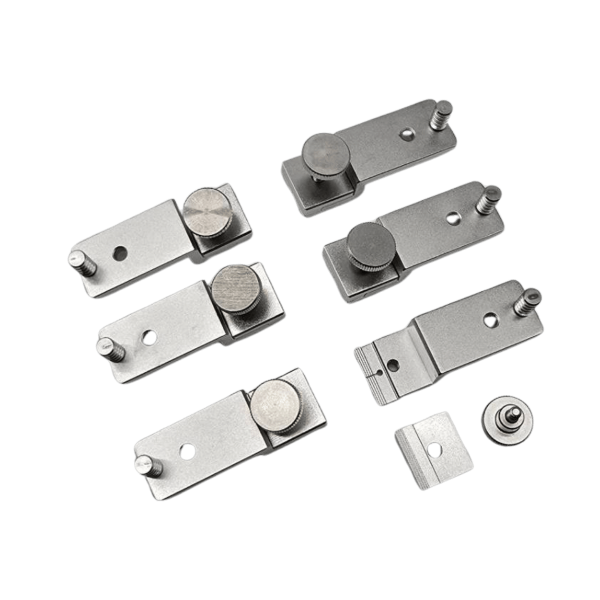
TS3K

Biopsy stretch clips

Stretch tissue sample number:3

Testimonials

Why Cells Need to "Exercise" in the Lab

The Taihoya ATMS EX-1 is a turn-key system with a well thought-out design that is easy to set up and calibrate.  The system is versatile, flexible, and user-friendly.  The EX-1 has an array of offset sized cam displacements with simple drop-in for easy setting of stretch and compression percentages with excellent repeatability.  The documentation manual of the instrument has sections corresponding to each of the attachments with a step-by-step layout for easy setup. It is an excellent instrument for biomechanical studies on the quantitative and dynamic effects of stretch and compression on biological tissues.

Dr. Shu Chien

Founding Director, Institute of Engineering in Medicine Professor, Bioengineering, UC San Diego

"Differentiation of pluripotent stem cells into cardiomyocytes has been well established but cell maturity is often a concern. We have been using the EX1D stretcher to assess how dynamic stretch impacts stem cell maturation. The stretcher system provides significant experimental flexibility with many attachments for different culture types and models. This has allowed us to use the stretcher basically right out of the box!"

Dr. Adam J Engler

Professor and Chair. Shu Chien-Gene Lay Department of Bioengineering Sanford Consortium for Regenerative Medicine University of California, San Diego

We have successfully used the ATMS dynamic culture system in order to test mechanosensitivity of a G protein coupled receptor. The device is straight forward to use and allows to test a range of different experimental approaches. Cells can be stretched and unstretched to measure on and off responses, they can be stretched to different extents for variable periods of time, and they can be exposed to repeated mechanical stresses and stress cycles. The stretchable membranes are very straight forward to use and we have never had any issues with cells not attaching or dying. I recommend this system highly.

Dr. Maike Glitsch

Professur für Physiologie MSH Hamburg

All in One System 

From Cells to Tissues, PDMS to Scaffods 

  • Accelerated R&D: The 6-Hour Drug Screening Revolution

    Unlock four weeks of animal-model insights in just six hours through precision biomimicry. By replicating complex mechanical tension in vitro, our platform delivers high-throughput screening data for natural compounds and novel drugs. We empower global pharma to slash R&D timelines, drastically cut costs, and embrace an animal-free, ESG-compliant future.

  • Cellular Empowerment: The "Fitness Factory" for Stem Cells & Exosomes

    Cells grown in static lab dishes rarely survive the harsh, high-tension environment of the human body. As a world-leading physical conditioning platform, we 'train' stem cells and exosomes under physiological mechanical strain before transplantation. By adapting them to body tension in advance, we maximize cell survival rates and direct precise differentiation—turning standard cells into elite, therapeutic powerhouses.

  • Advanced Research: Decoding Biomaterials & The Cancer Microenvironment

    Cancer metastasis and biomaterial integration are dictated by dynamic forces. Our platform flawlessly simulates tumor stroma rigidity, capturing the exact moment when Cancer-Associated Fibroblasts (CAFs) synthesize extracellular matrix proteins like Fibronectin under mechanical stress. Simultaneously, we breathe life into 3D-printed and porous biomaterials by unlocking their dynamic properties—using physical tension to pioneer the next frontier of oncology and tissue engineering.